


Warm Homes Plan
This week, the UK Government launched their ‘Warm Homes Plan’. This plan has promised £15billion over the next 5 years aimed at upgrading homes, helping to reduce energy bills, and tackling fuel poverty. Whilst a lot of the funding will be directly available to homeowners to help improve the energy efficiency of their homes, the Warm Homes Plan will also include new protections for renters.
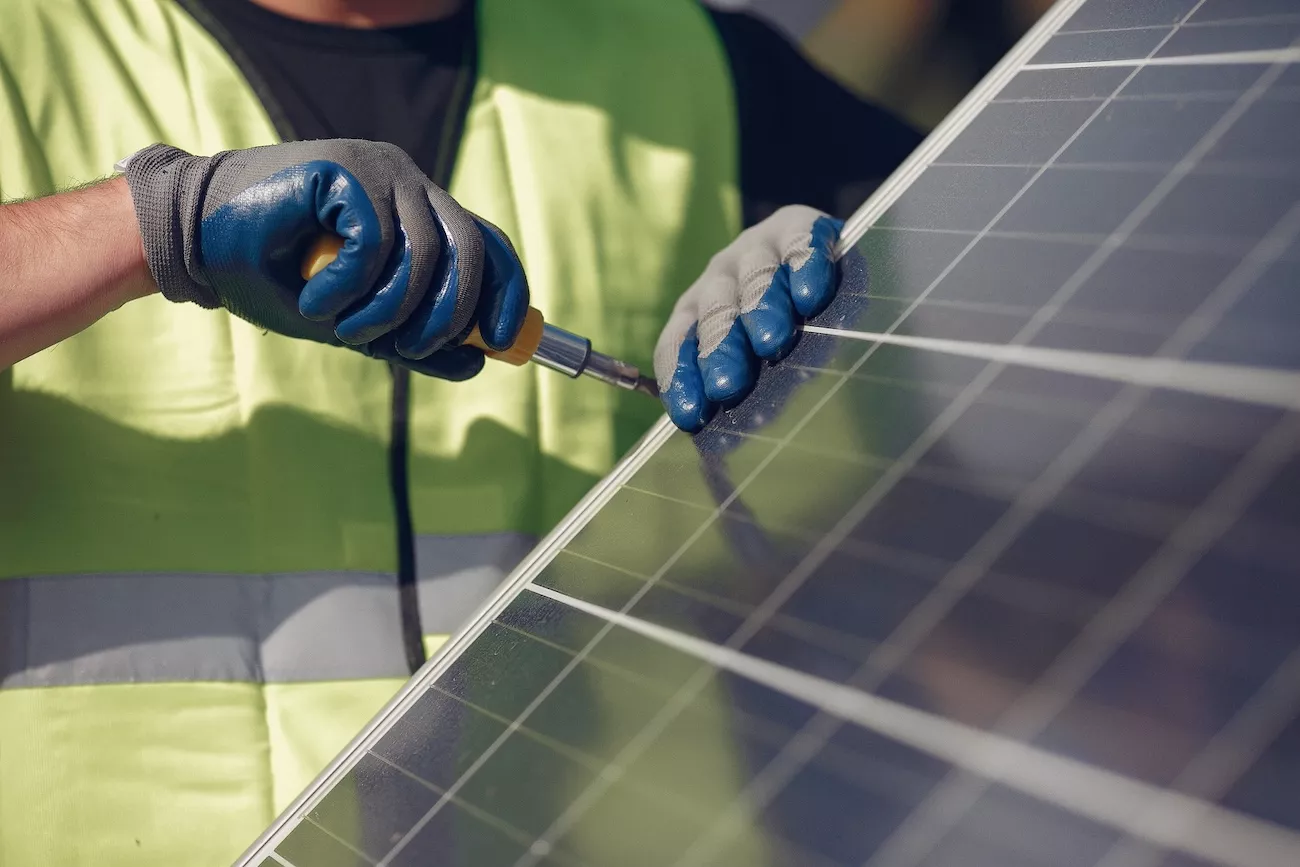
This plan will focus heavily on renewable technologies and low carbon heating options, such as heat pumps, solar panels and batteries. This new focus would likely have been discussed in part due to the energy crisis that we have seen over the past few years, that has seen residents rely on the wholesale costs and availability of energy. By investing in renewable technologies in the home, residents will have more control over what they pay for their electricity.
Although, we have seen solar panel installs funding through other schemes, the inclusion of batteries is a welcome addition. With solar panels only, residents can benefit from free electricity during peak hours and can often export any electricity not used back to the grid and receive a small payment per unit for doing so. Whilst this is very beneficial to residents, during the evening or when their solar panels are not generating any energy, people will have to continue paying the standard electricity price. However, with the option of battery installation, people that are out during the day can still benefit from the free electricity that can be stored for later use.
The move to heat pumps is another great way to reduce how much energy residents need to pay for. Heat pumps run on electricity, which is currently around four times more expensive per unit than gas however, because heat pumps are around 3 – 4 times more efficient than boilers, the cost to run is very similar. The benefit of having a heat pump and solar panels, is that your heating can run, in part, from the energy created from your solar panels.
The Warm Homes Plan is a big push in moving away from the UK’s reliance on gas and other fossil fuels, which we are unable to control the cost of. According to NESO, in 2025 over a third of the UK’s electricity was generated by wind and solar. This is an energy generation that is largely unaffected by pandemics and wars, that can help support the predictability of energy prices in the future.
Rachel Jones, CEO of Act on Energy, says:
“We are happy to see the newest information around the Warm Homes Plan. The most important part for us, as an energy advice charity, is that people who receive these installs are given the information they need to get the best out of the new technology. As with anything new there is a learning curve, and we have seen first-hand what can happen when post-install service is not provided. We are happy to support local residents on a range of topics around their energy bills, including understanding export tariffs and how to use a heat pump effectively.
“We are also delighted to see the push towards renters’ rights to live in a home that is ‘safe, warm and affordable’. We recently saw Awaab’s Law come into effect for social housing and more needed to be done to protect those living in private accommodation. Increasing rental properties to an EPC C as minimum is a great start and we are excited to see how EPCs will be reformed over the next few months.”


