


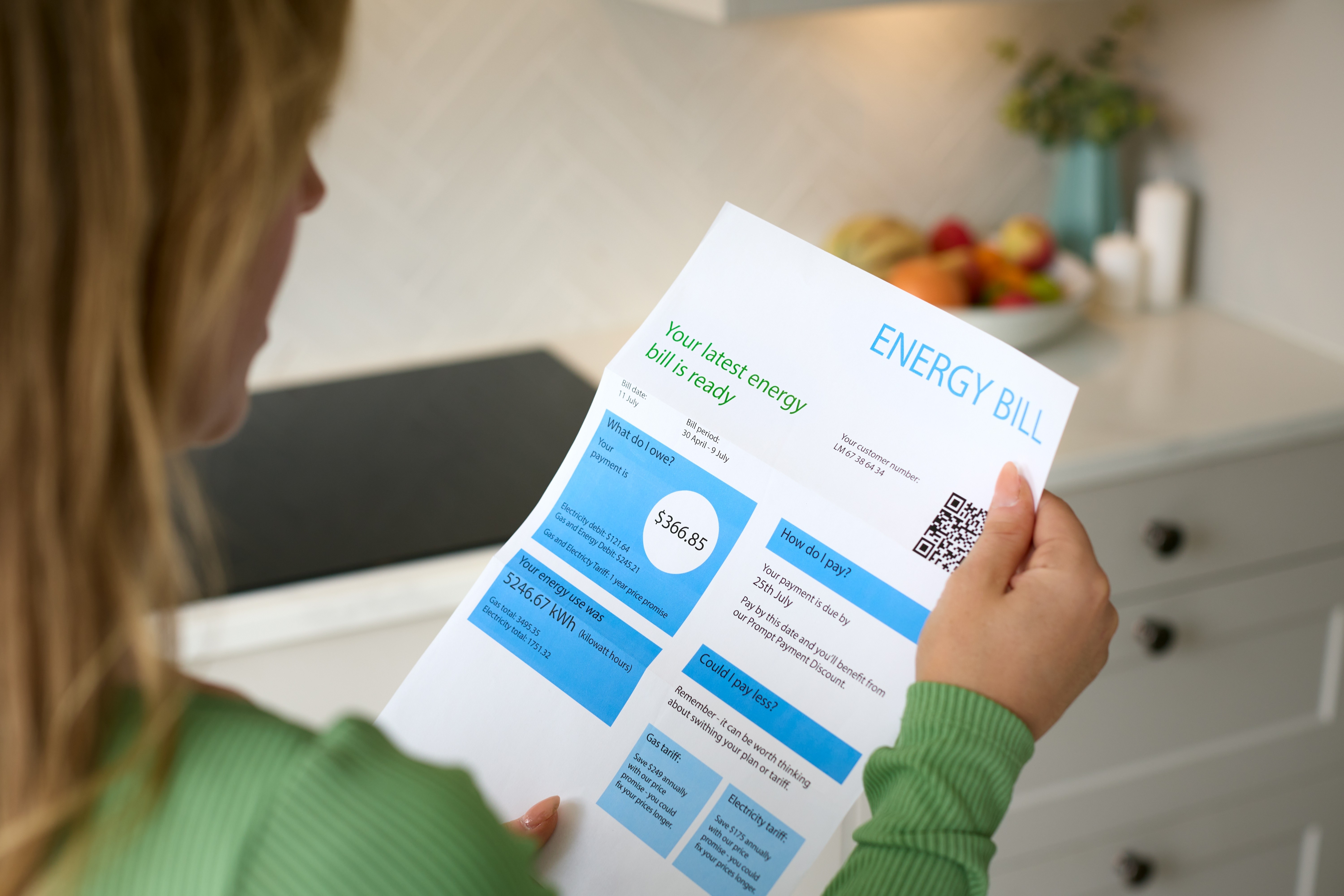
October Price Cap Increase
Ofgem has confirmed that the energy price cap will increase by 4% for the period spanning the 1st October to the 31st December, with the typical dual gas and electric household on a direct debit tariff seeing annual bills rise by £60, from £1,663 to £1,723. That works out at around £5 more a month for the next three months.
Around 22 million households on default tariffs are covered by the cap, which Ofgem reviews every quarter to reflect the underlying cost of supplying energy. The roughly 11 million households already on fixed-rate deals won't see any change in the prices they pay from this update.
The rise is being driven almost entirely by gas. Wholesale gas prices have climbed due to the ongoing conflicts in the Middle East, whereas electricity bills alone are expected to stay broadly stable, thanks to the Government's removal of VAT from domestic electricity bills — a change Ofgem says has kept around £45 off the increase that households would otherwise have faced. This means households that don't use gas will see a much smaller rise, under 1%.
It's worth remembering the bigger picture too, where even with this increase typical bills remain 52% below the peak of the 2022 energy crisis, when the government intervened directly to put in an energy price cap of £2,500.
We know that any rise, however modest it looks on paper, lands hardest on households already stretched thin, particularly those managing health conditions, caring responsibilities, or a home that's expensive to heat. That's exactly where our advisors come in.
Our free, impartial advice line is here to help people understand what the change means for their own bill, check whether they're on the best available tariff, and access support such as the Household Support Fund, Warm Home Discount, or a grant towards insulation and draught-proofing. Ofgem itself is encouraging anyone worried about affording their bills to speak to their supplier early and agree a manageable repayment plan; we can help with that conversation too, and make sure suppliers are meeting their obligations to customers who are struggling.
There are also small steps that can make a difference before the change lands in October: switching to a fixed tariff if one works out cheaper than the new cap (Ofgem notes some are currently priced £100 or more below it), checking whether a smart meter tariff with cheaper off-peak electricity would suit your household, and reviewing your payment method.
No one should have to choose between heating their home and covering essentials this winter. If you're concerned about the October increase, or just want a second opinion on your energy costs, get in touch with our team.


