


What the Budget Means for Your Bills
A £100 payment, a shake-up of gas standing charges and help with old debts - but nothing yet that cuts the price you pay per unit.
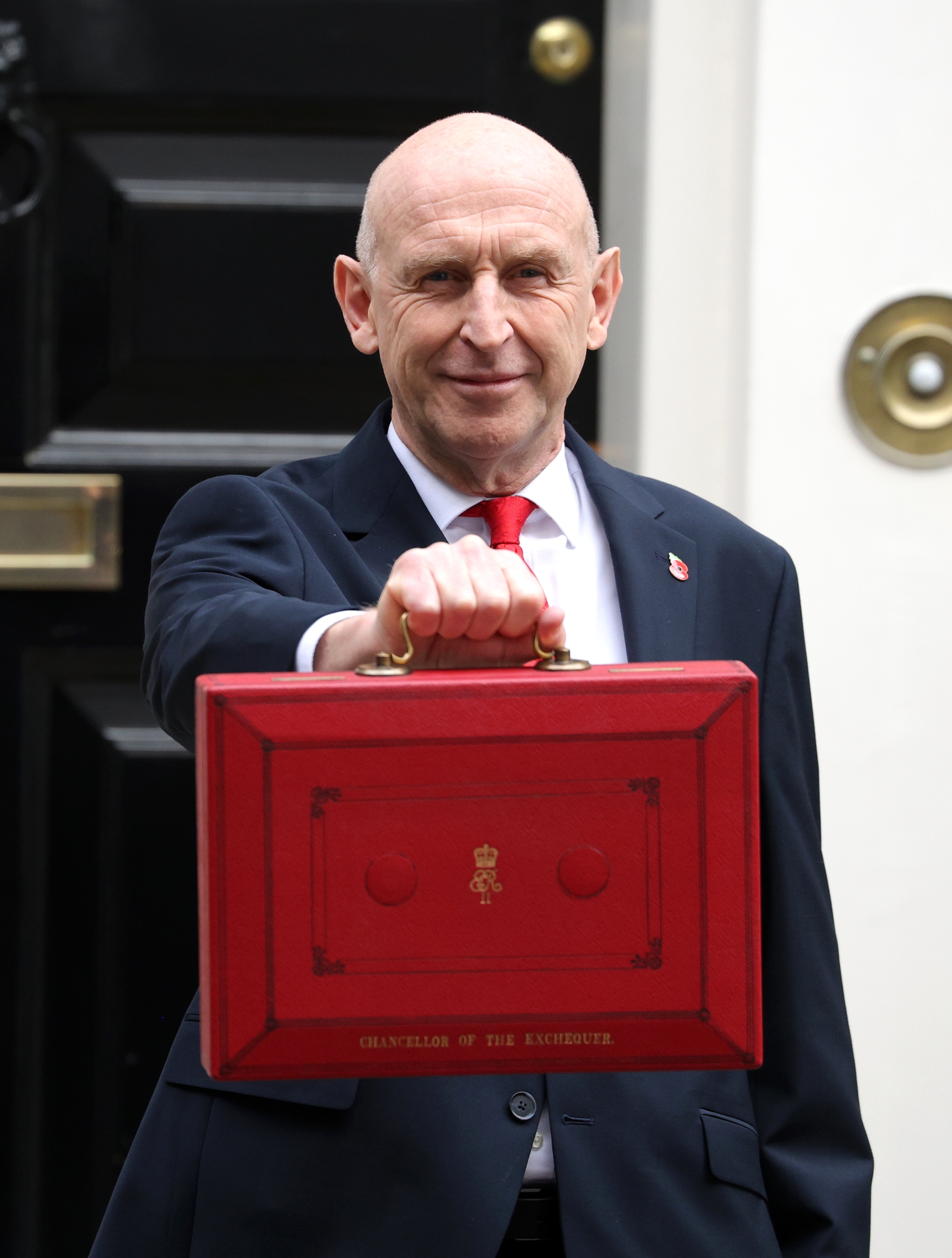
Chancellor John Healey's first Budget, delivered on 28 October, included several measures aimed squarely at household energy bills. Some will put money in your pocket this winter, while others are still waiting for the details to be fleshed out. Here is what we know so far, and what it could mean for you.
To kick off, if your main home is in Council Tax bands A to D, you are in line for a one-off £100 payment, made from January 2027, but it’s worth remembering that second homes and empty properties are not included. If you pay your Council Tax by direct debit, the money should go straight into your bank account, and you will not need to do anything. Everyone else will be invited to apply by their council.
This Budget announcement technically only applies to England, but the devolved governments of Scotland, Wales and Northern Ireland are receiving additional funding which Westminster says should be used to copy-and-paste their idea. Ultimately though, it is up to the regional governments to decide how to use it.
Not in bands A to D? The government is giving local councils an extra £100 million for discretionary support, with each council setting its own criteria once local arrangements are in place. Separately to the Budget, if you receive means-tested benefits you may also be eligible for the £150 Warm Home Discount.
Next up, the government has asked Ofgem to remove standing charges on household gas bills as early as 2027 - that’s the usual daily rate you pay to your gas supplier regardless of whether you are using any gas. However, the cost of running the gas network does not vanish, it just moves solely into the unit rate. This could mean that your supplier might slightly up the unit price of gas for you come your next tariff renewal, and the government says it will set out targeted help for some households in due course. Simply put, what you gain depends on how much gas you use.
On top of this, VAT was removed from household electricity bills on the 1st of October, saving the average household £45 a year. The Budget has extended this until July 2027.
If you live in Worcestershire, Warwickshire or the West Midlands Combined Authority area, our advisors can talk you through what applies to you, from grants and debt support to ways of using less energy. Call our free helpline on 0800 988 2881 (9am to 5pm, Monday to Friday) or email advice@actonenergy.org.uk. We are here to help.


