


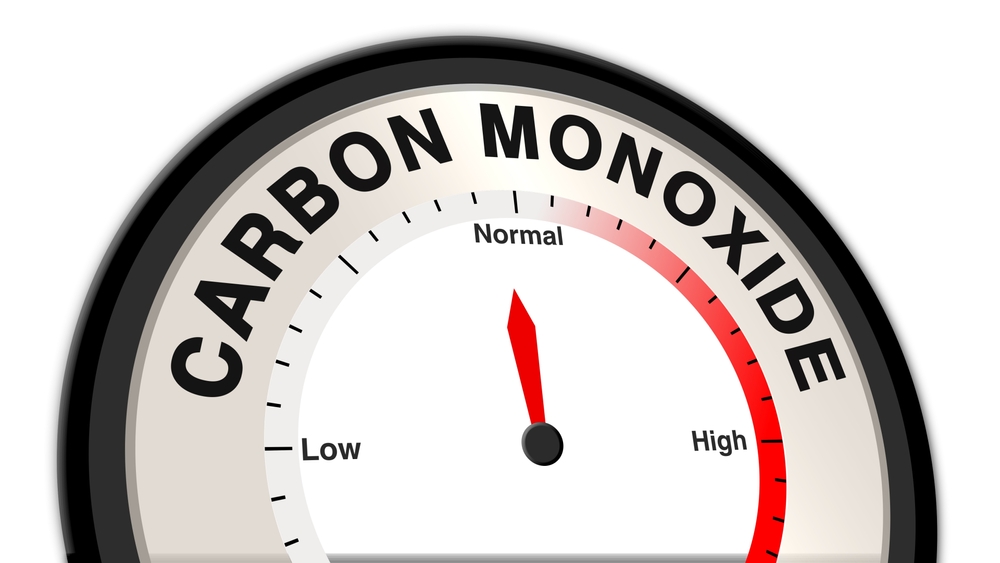
Check It, Fit It, Test It: Carbon Monoxide Awareness Week
Carbon monoxide (CO) is often called the silent killer, and for very good reason. It is a chemical you cannot see, taste or smell, and its early symptoms are easy to mistake for a cold or flu. Feeling run down, getting headaches and feeling stuffy are all symptoms of CO poisoning which can be easy to shrug off, and without a working alarm, most people have no way of knowing it’s there.
That’s whywe’re backing CO Awareness Week. Every conversation, every alarm fitted andevery safety check completed helps protect people at risk.
So, what is CO? It is a chemical produced when fuels such as gas, oil, coal or wood don’t burn fully. That means boilers, gas fires, cookers, open fires and wood burners can all produce CO if they’re faulty, poorly fitted or not properly ventilated. Winter is typically when these appliances are working their hardest and when you are most likely to have your windows and doors shut, so winter is when the risk of CO poisoning is highest.
This year there’s an added worry. Energy bills are set to rise in January, and house holds will be doing everything they can to keep the heat in and the costs down. That means getting rid of ventilation in homes and therefore increasing the risk of trapping CO.
CO is particularly dangerous during pregnancy, as it can harm an unborn baby as well as the mother. Older people, young children and people with heart or breathing conditions are also more vulnerable.
Here are somesimple tips to reduce the risk of CO poisoning:
• Never block air vents, air bricks or chimneys tostop draughts. They’re there so that appliances breathe, and they carry fumesaway safely.
• Never use a barbecue, camping stove, patio heater or generator indoors, these have the chance to produce far more CO than a typical boiler or heater, so must be used in a well-ventilated space.
• Don’t put off a boiler service to save money. If your boiler needs a service or has an issue, it must be investigated. You don’t want to risk using a faulty appliance, it can cost you far more than a service.
Draught-proofing is a great way to save energy, but it needs to be done in the right places. If you’re not sure, ask us. We’re happy to help.
Know the signs
The six main symptoms of CO poisoning are headaches, dizziness, nausea, breathlessness, collapse and loss of consciousness. Pay attention and notice the signs if your symptoms begin when you enter your home and leave when you do, or if people in your home feel unwell at the same time.
Your appliances can give you clues too. Lookout for a lazy yellow or orange flame where it should be crisp and blue, sooty marks or staining on or around an appliance, or a pilot light that keeps going out. These are all signs of incomplete combustion, where CO may be being produced. More condensation than usual on your windows is also a sign – it indicates a potential ventilation block, and if this blockage if your flue the gases it expels will get trapped inside your home.
Check it, fit it, test it
• Check it. Have your gas appliances safety checked and serviced every year by a Gas Safe registered engineer. Oil appliances should be serviced by an OFTEC-registered technician, solid fuel appliances by a HETAS-registered installer, and all chimneys should be swept regularly to ensure they remain unblocked.
• Fit it. Fit an audible CO alarm in every roomwith a fuel-burning appliance. Look for one marked EN 50291. Note that a CO alarmis not the same as a smoke alarm; you need both.
• Test it. Press the test button on your CO alarmsonce a month and replace the alarm when it reaches the end of its life.
If you rent, your landlord must arrange a gassafety check every year and, in England, fit a CO alarm in any room with afixed fuel-burning appliance. If your landlord hasn’t done this, you must ask.
You may also beable to get a free gas safety check from your energy supplier if you’re on thePriority Services Register and meet certain criteria, such as receivingmeans-tested benefits. We can help you sign up to the register and checkwhether you qualify.
If you think there’s CO in your home
• Turn off your appliances if it’s safe to do so.
• Open doors and windows and get everyone out into thefresh air.
• Call the Gas Emergency number on 0800 111 999 (24/7).
• Get medical advice – call NHS 111, or 999 if someone is seriously unwell – and tell them you think it could be carbon monoxide.
• Don’t use the appliance again until it has been checkedby a qualified engineer.
Need some help?
If you live in Worcestershire, Warwickshire or the West Midlands Combined Authority area, our free, expert and impartial advice service is here for you.
• Freephone: 0800 988 2881 (Monday to Friday, 9am to 5pm)
• Email: advice@actonenergy.org.uk


