Retrofit

Air con unit

Lorem ipsum dolor sit amet, consectetur adipiscing elit. Suspendisse varius enim in eros elementum tristique. Duis cursus, mi quis viverra ornare, eros dolor interdum nulla, ut commodo diam libero vitae erat. Aenean faucibus nibh et justo cursus id rutrum lorem imperdiet. Nunc ut sem vitae risus tristique posuere.

This is some text inside of a div block.

Do you live in any of these areas?

‘Retrofit’ has become the blanket expression for a lot of home renovations, but especially when it comes to renovations that make your home more energy efficient. This term covers everything from small changes that take minutes to large multi-contractor projects

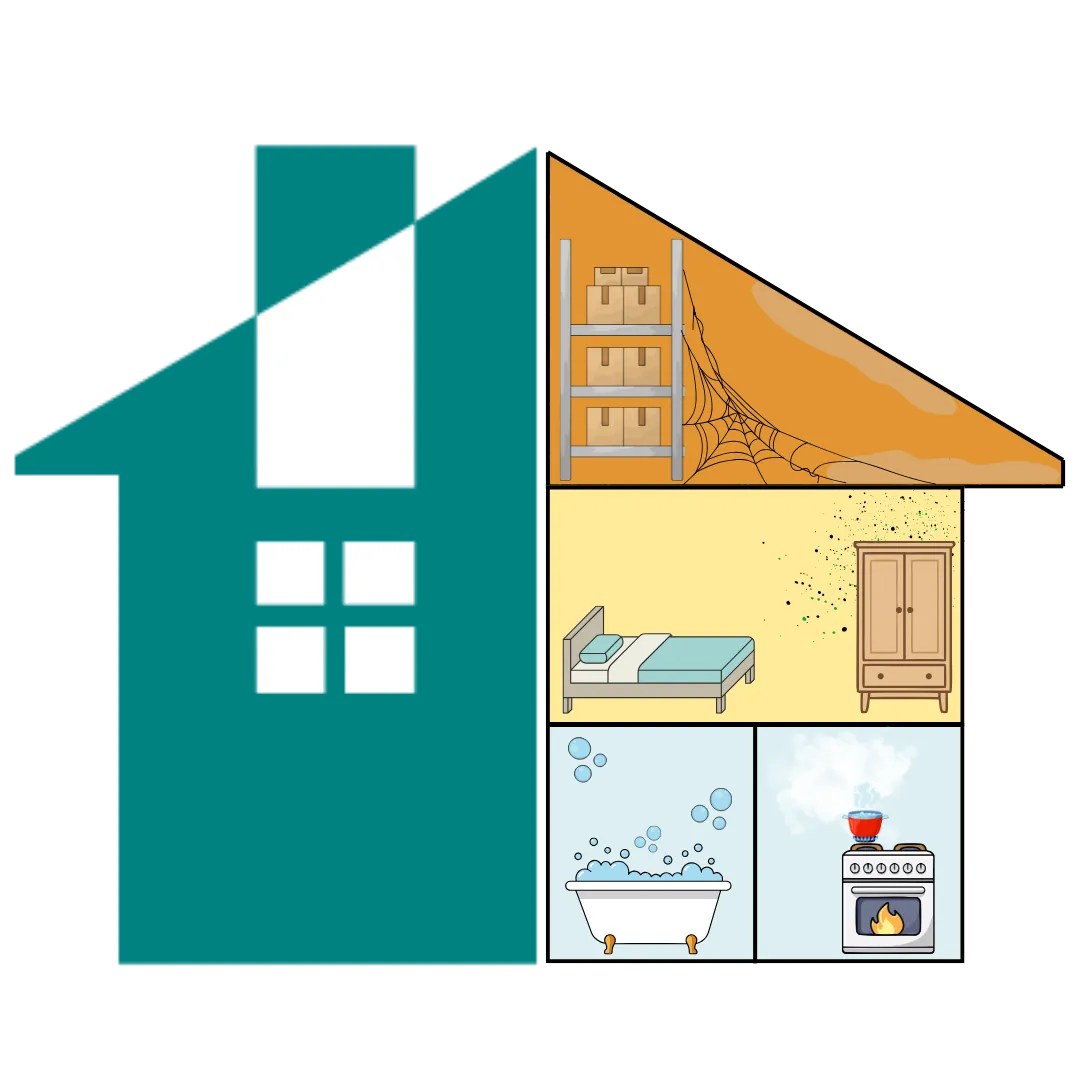
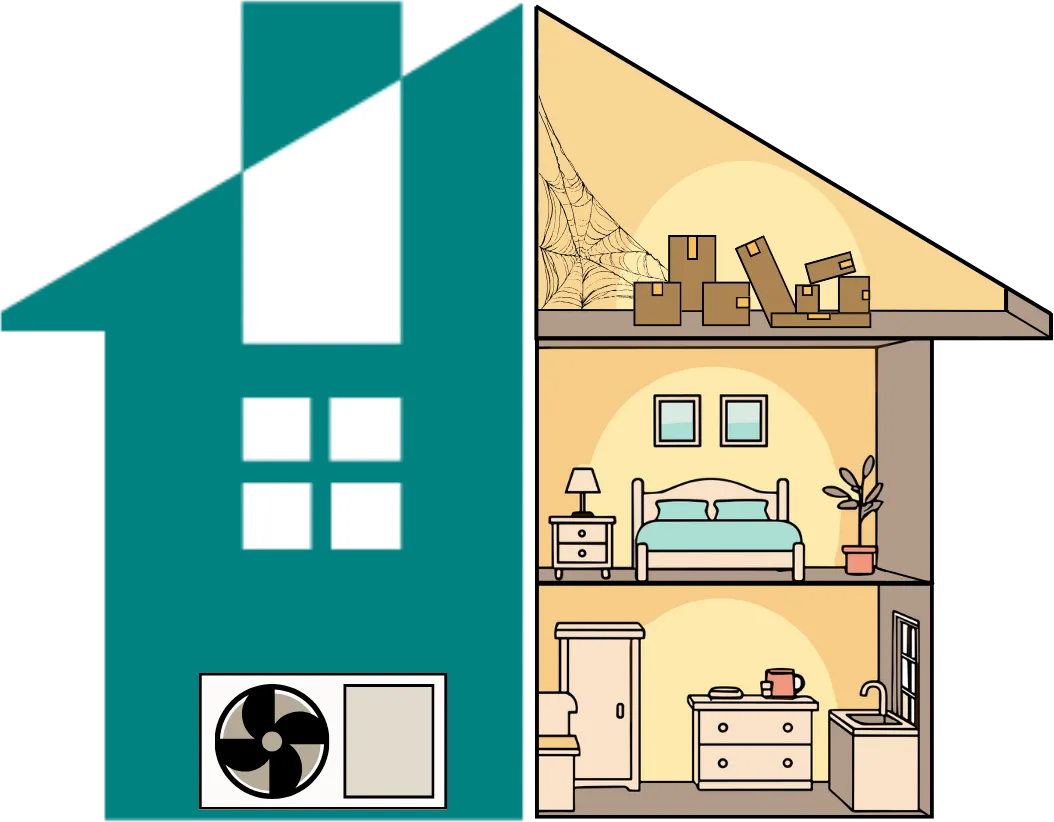
Click the House to find out more about retrofiting each part

Find out now

Where to start?

Many people are concerned about the climate crisis and rising energy costs and would like to make improvements to their home to reduce their energy usage and their carbon footprint.

However, many are unsure where to start, don’t know which measures would suit their particular property, or don’t know which measures would be most effective.

That’s where our introduction to retrofit comes in.

Walls

Heat loss through the walls can make up to 35% of all heat loss in the home, so wall insulation can make a huge difference in the cost of your heating bill. Wall insulation can also help keep your home cool in the summer.

There are three main types of wall insulation: internal, external and cavity. The option that works best for you will depend on a number of factors including wall type, material and space. Even after you have considered these three types of wall insulation, each of these also has different options to consider.

Windows & Doors

If you put your hand near your door or window, can you feel the cold? If so, then you are likely losing heat in that area. One of the most common issues in homes is draughts, especially around windows and doors. Luckily, this can be a relatively cheap fix with the use of curtains, draught excluders and draught tape.

Investing in double glazing or PVC windows and doors can help reduce draughts and heat loss further. Upgrading to A-rated double glazing windows can save you over £100 per year. Our advisors can discuss your options in more detail and explain the low emissivity, frame types and U-values.

Roof & Loft

Heat loss through the roof can make up to 25% of all heat loss in the home. Loft insulation has changed a lot in the last few years – previous minimum depths have been increased so, what may have been the best a few years ago, may be below standard now.

As well as depth, the recommended material has also changed. We can advise you on the new material options, the issues you may face with spray foam insulation, and how to prepare the loft before installation.

Damp & Mould

In 2021, it was reported that around 2 million people in the UK were living in a property with significant damp or mould. There are three ways that damp and mould are caused.

Penetration – This is when water is coming in from cracks in the walls/ceiling. To fix this type of damp, you will need to first address the hole that is allowing the moisture to come in, which can be costly depending on where the hole is and how big.

Rising – This is when damp comes up from the floor and is often caused by a faulty or blocked damp proof course. This will require a builder to find the cause of the issue and fix it correctly.

Condensation – This is the most common cause of damp and mould and is caused by moisture inside your home, finding cold areas of the home to create issues. There are some easy ways to reduce this type of damp & mould, making use of adequate heating, insulation, ventilation and reducing moisture created in the home.

Renewable Technology

Renewable technology takes the pressure away from the finite resources of fossil fuels, whether it be investing in generating energy in your own home, or moving to use technology that doesn’t rely on gas, coal, etc. to run.

The most common way of generating energy in the home is through solar panels. These are becoming more affordable and accessible through various funding pots over recent years. Even people who pay for installations in-full are seeing their investment paid off within 10-15 years. Another, less common version of solar is solar water heating which works well for people with an electric hot water cylinder.

Heating your home makes up a huge portion of overall energy usage and many homes in the UK rely on gas, or other fossil fuels, for this. Moving into electric heating systems means that residents can benefit from renewable energy generation and aren’t reliant on the availability of fossil fuels. Air source and ground source heat pumps are leading the way with electric heating due to their high efficiency levels, which means that even whilst electricity prices are 3-4 times more expensive than gas prices, residents are paying similar amounts to keep their home at the same temperature.

Smart Technology

Smart technology in the home can help you save money by giving you more control over the energy you use. One of the ways people can do this is by investing in smart heating controls or smart plugs, that can help you control your energy usage from your phone or in a more specific way – treating every radiator, room or plug socket separately.

As well as this, more and more people are seeing the benefits of smart meters as energy suppliers continue to offer better tariffs, free energy sessions and rewards for low-energy usage to households with a smart meter. We know that a lot of people still have questions about the technology, which is why our staff are fully trained to answer questions about smart meters.

RETROFIT

noun

=
retrospectively

adjective

+
to fit

verb

roof installation service

What is Retrofit?

Retrofit means upgrading an existing property to make it warmer, cheaper to run, less draughty and more comfortable to live in. This is done by improving the insulation, air permeability and heating system. It also includes a ventilation system to provide good air quality in your home.

By improving the energy efficiency, retrofit also reduces carbon emissions and improves the appearance and the security of your home.

What's available?

What measures and technologies are available?

  • Draught proofing
  • Insulation – loft, walls, and floors
  • Ventilation
  • Replacement windows (double & triple glazed) and thermally efficient doors
  • Airtightness
  • Low carbon heating systems – air & ground source heat pumps, solar PV, biomass

Get in touch

Improving the energy efficiency of your home also reduces carbon emissions.

What are the benefits of retrofitting my home?

Warmer and
more comfortable
Cooler in the summer
Reduced energy bills
Lower carbon emissions
Fewer problems with damp, mould, and condensation
Improved air quality

Retrofit Action Week 2025

We’re this year's official Community Partner and Summit Thought Leader supporting Retrofit Action Week across the West Midlands.

Learn more
How do we measure energy efficiency?

Energy Efficiency is measured through an Energy Performance Certificate, most commonly referred to as an EPC, which provides:

  • information on how energy efficient a building is
  • rating from A (most efficient) to G (least efficient)
  • estimated heating and lighting costs
  • estimated carbon emissions
  • recommendations to improve energy efficiency

The EPC

An Energy Performance Certificate is legally required when a property is built, rented, or sold. It is valid for 10 years. Only accredited Energy Assessors can produce valid EPCs.

It is advisable to retain all documentation and photographs of retrofit work, as evidence for future assessments.

Find Existing EPC
Get a new EPC
How does a Retrofit project work?
A typical retrofit project is done in five stages:

1. Retrofit Assessment: A Retrofit Assessor will visit your property to collect property data/information to produce an Energy Report, Occupancy Report and Condition Report. Depending on the size or complexity of the property, a typical assessment can take between 1-2 hours to complete.

2. Bespoke Plan Created: Using the data from the assessment, a Retrofit Coordinator creates a bespoke plan of measures suitable for your home. This can be completed in stages but preferably in conjunction with other building work to reduce costs and disruption.

3. Quotes Obtained: Quotes for the works are obtained from approved retrofit contractors.

4. Retrofit Work Starts: A preferred contractor is chosen; contracts are signed and work begins.

5. Retrofit Work Completed and Checked

Are there any standards for Retrofit work?

PAS2035 is a national standard for carrying out retrofit projects to ensure that the right work is done using the appropriate logic & adequate consultation, with the ultimate aim of improving the quality of living and comfort for tenants. 

Learn more
lads scheme advice

We've a whole library of information at your fingertips

Dive into our videos and fact sheets.

Visit resources